
Dodge County Criminal History Checks
Dodge County criminal records are split among the arresting agency, jail, Magistrate Court, Superior Court, and Georgia repositories. Start with the event or result you need. A custody question belongs with Dodge County Jail. An arrest narrative belongs with the sheriff, Eastman Police, or other arresting agency. Filed felony charges and outcomes belong with the Superior Court clerk. Georgia Felon Search covers a limited statewide conviction set, while a fingerprint personal review through GCIC is stronger for checking your own identity history.
Collect the full name, exact date of birth, likely event date, and any booking, warrant, or case number. Use spelling variants, but never treat a name alone as proof of identity.
- Identify whether the target is custody, an arrest report, a court outcome, or your own statewide history.
- Search the matching official channel with the full name and strongest identifier.
- Compare the court, date, charge, and case number before accepting a match.
- Request missing papers from the office that created the record.
- Use a certified copy or fingerprint review when identity and final outcome matter.
Dodge County Records Stay Divided
One Dodge County arrest can create several files. The officer writes an incident narrative. Jail staff create booking and custody entries. Magistrate Court handles a warrant, first appearance, and bond. The Oconee Judicial Circuit prosecutor may later file a different charge in Superior Court. GCIC receives fingerprint and disposition reports, while GDC becomes relevant only for state correctional custody.
The official Dodge County site routes users among those offices. Its navigation appears below and shows why a broad request should be split by custodian.
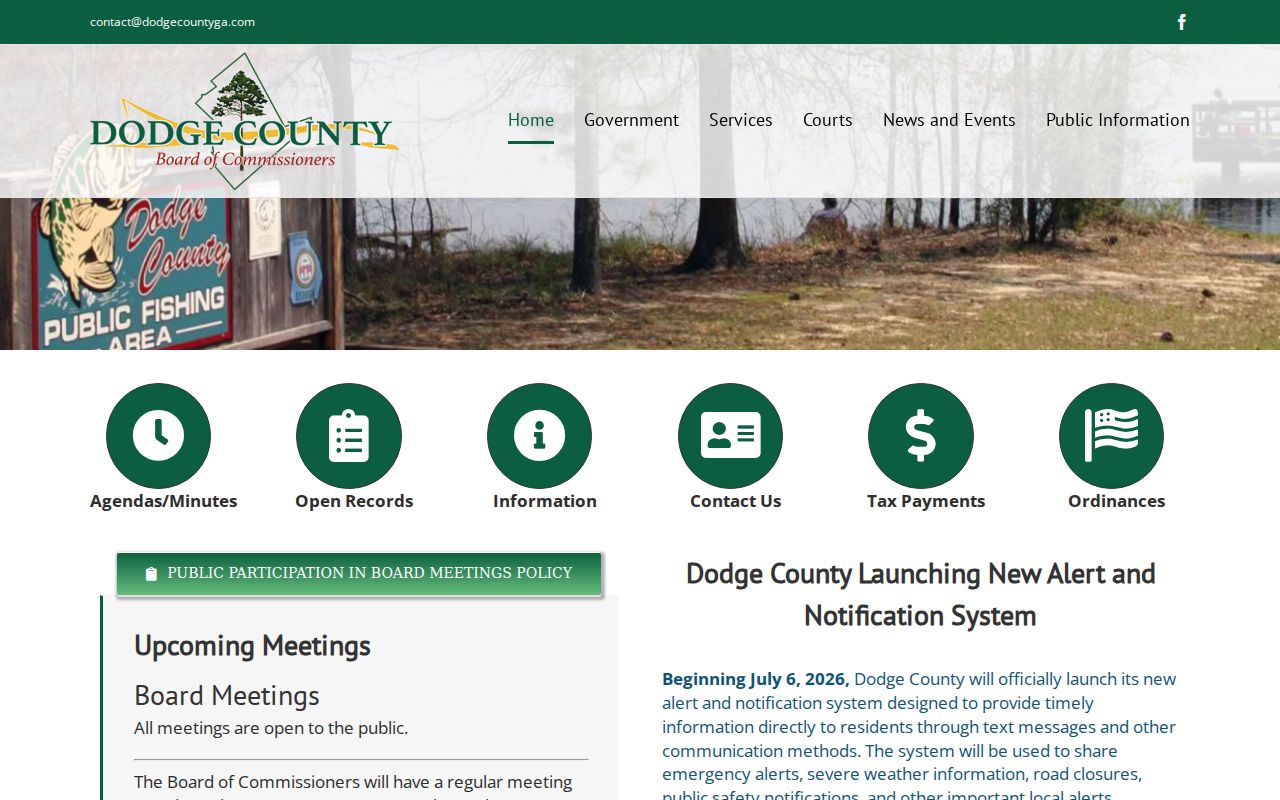
Sending a felony docket request to the general county clerk adds delay because the Superior Court clerk owns that file.
Official Georgia Background Checks
The Georgia Bureau of Investigation's Georgia Crime Information Center maintains the state repository. For self-review, use local agency rules or the fingerprint-based Georgia Applicant Processing Service. GAPS, operated through IdentoGO, requires enrollment, the right service code, photo identification, and a print-site visit. GCIC also schedules personal inspection appointments at its Decatur lobby through 404-244-2639, option 1.
Georgia Felon Search costs $15 and requires full name, birth date, race, and sex. It supplies qualifying public Georgia felony convictions, not a complete fingerprint-confirmed rap sheet. The GCIC history FAQ sets out access and correction rules.
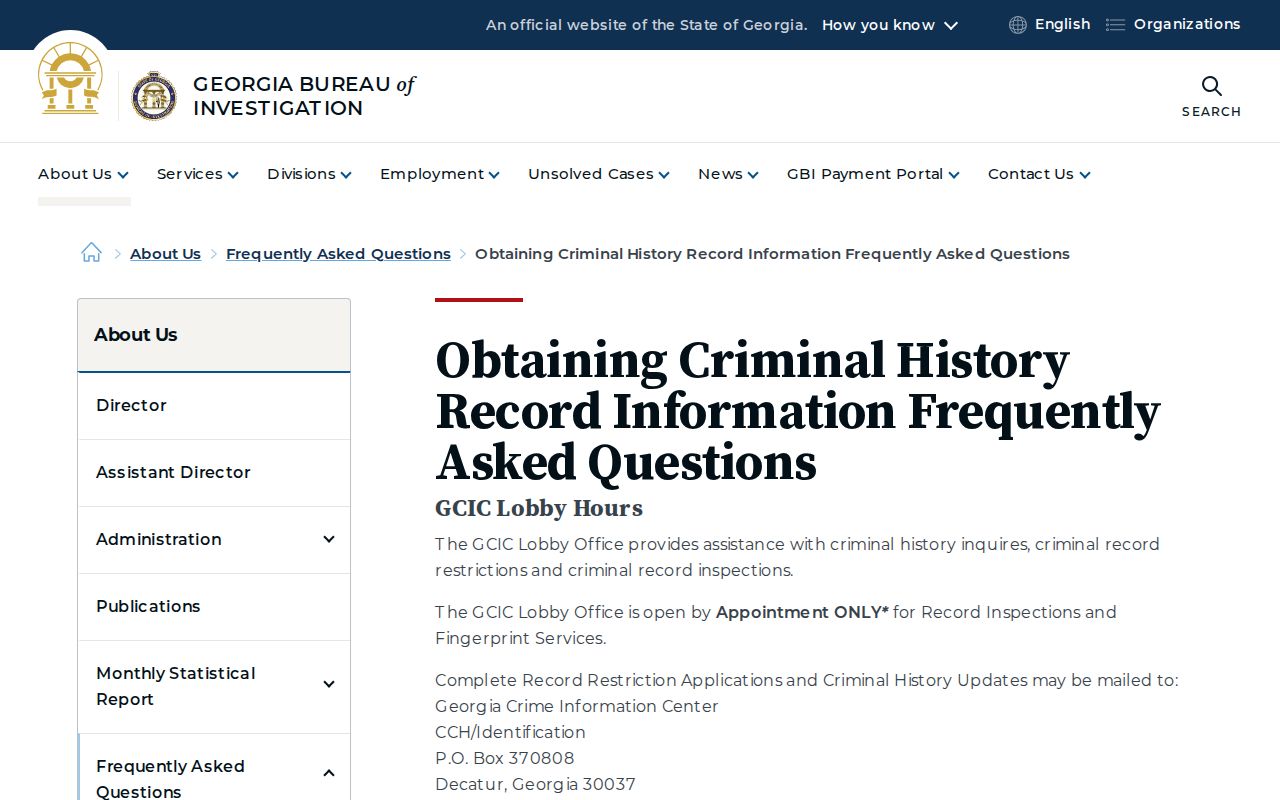
A missing Dodge County disposition must be supported by the local court or agency that owns it.
Dodge County Fingerprint Self-Review
A fingerprint review is the more reliable route for inspecting your own statewide identity history. Begin at the GAPS enrollment site, select the personal-review service, and confirm a print location. No static official source confirmed an active print site inside Dodge County, so check the live locator by ZIP code.
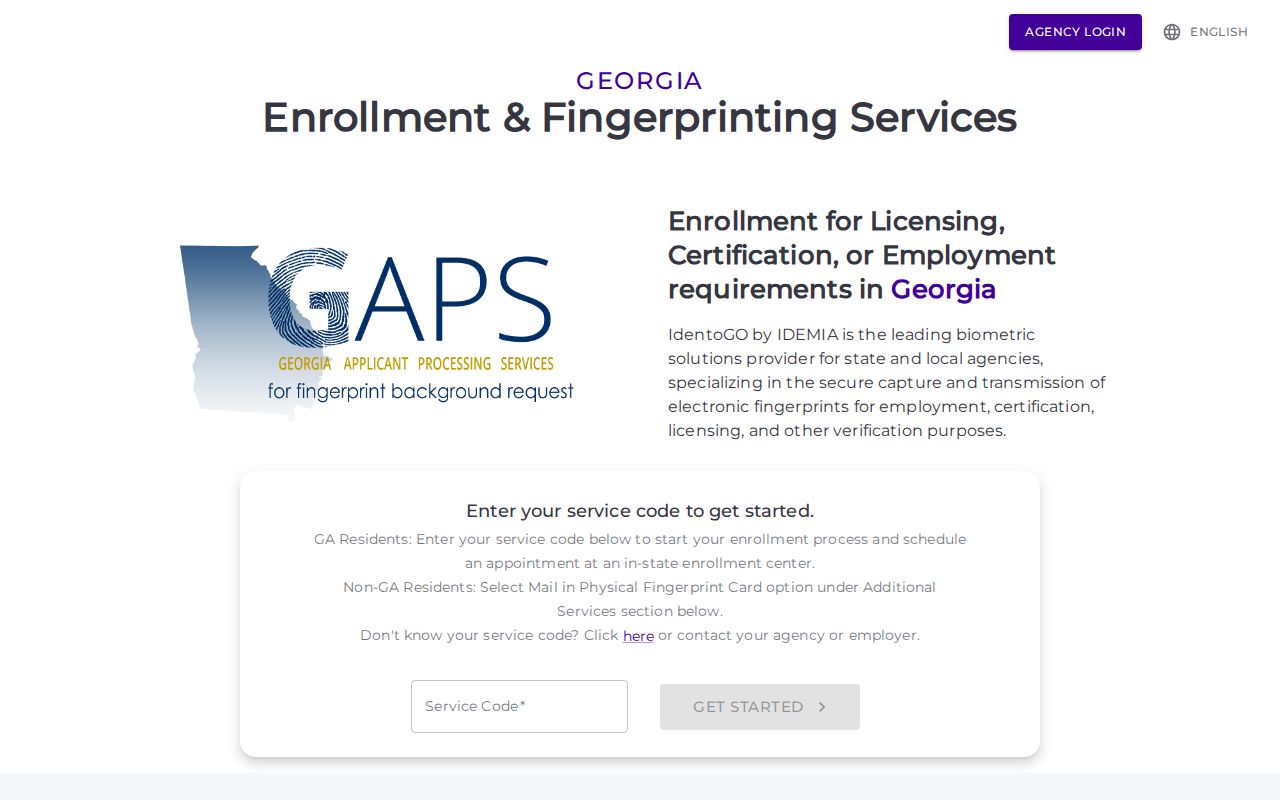
Bring valid photo identification and the required service code. If a disposition is missing, obtain the Dodge County court paper first and follow GCIC's correction process.
Dodge County Criminal Record Types
“Criminal record” can mean an officer narrative, jail intake sheet, warrant, filed accusation, judgment, state history cycle, supervision entry, or registry profile. Each Dodge County document has a distinct custodian. Naming the needed item makes a search or open-records request far more useful.
The county's court directory separates Superior, Magistrate, Probate, and Juvenile offices. Juvenile material is not an adult criminal-history substitute and usually carries stricter access limits.
- Arrest and booking records identify the arresting agency, intake charges, bond, and custody state.
- Criminal court files show filed charges, hearings, pleas, outcomes, and sentences.
- GCIC entries group fingerprint-supported arrest cycles with reported dispositions.
- Warrants can show issuance and service, though some details are withheld.
- Supervision and registry records address probation, parole, custody, or registration duties.
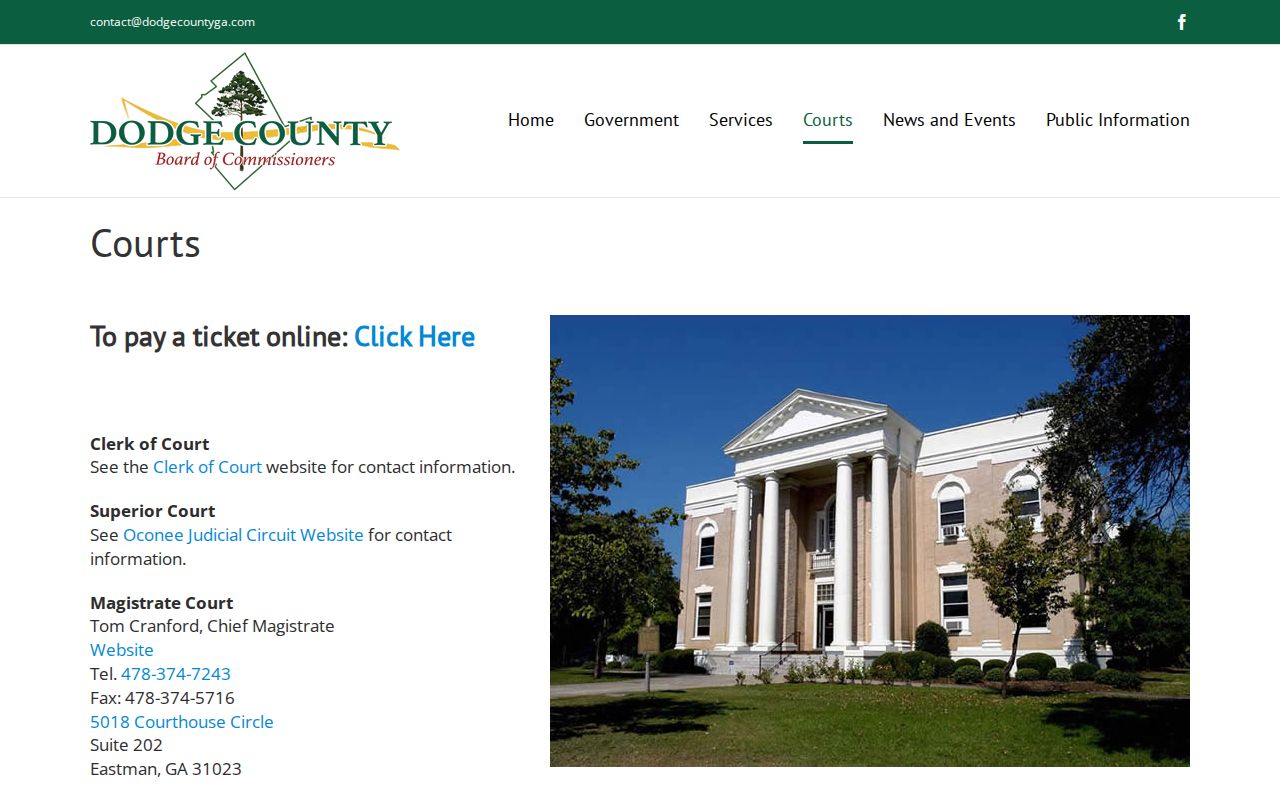
Felony prosecutions belong with the Superior Court clerk. Magistrate Court is the practical first stop for warrants and early proceedings.
Dodge Jail Versus GDC Records
Dodge County Jail and the Georgia Department of Corrections answer different questions. Call the jail at 478-374-8131 for local custody, booking, and bond information. The sheriff has a jail-population landing page, but no dependable crawlable roster was confirmed. Use the phone and sheriff request route when it fails.
GDC Find an Offender covers state custody rather than ordinary county pretrial detention. GDC suggests trying four surname letters and selecting all offenders if an active-only search misses a record. Completed First Offender matters are excluded.
What Dodge County Criminal Records Show
A Dodge County booking emphasizes intake and initial charges. A court file centers on filed counts and outcomes. A GCIC history groups fingerprint-supported arrest cycles. Public views omit sensitive identifiers, victim data, juvenile facts, and sealed material as required.
| Name & Identifiers | Name, aliases, birth date, and limited physical descriptors. |
|---|---|
| Arrest / Booking Data | Agency, booking number, time, initial charges, bond, and custody state. |
| Charges & Statutes | Allegation, Georgia code citation, count, and offense level. |
| Disposition | Dismissal, nolle prosequi, acquittal, plea, verdict, or other result. |
| Sentence | Confinement, probation, fines, restitution, and term structure. |
| Custody / Supervision Status | County or state custody and public supervision facts where shown. |
Dodge Booking Is Not Outcome
An intake charge records what was presented at booking. It is not the final Dodge County result. The prosecutor may amend, merge, dismiss, or decline a charge, and a grand jury may return a true bill or no bill. Read each disposition before calling an event a conviction.
- Accusation
- A prosecutor's formal charging paper where Georgia law permits.
- Indictment
- A grand jury's true-bill charging document.
- Nolle prosequi
- The prosecutor declines to continue a charge at that time.
- Disposition
- The recorded outcome for a charge or case.
Recent official releases show Eastman Police asking GBI to investigate, a suspect entering Dodge County Jail, and the file moving to the circuit prosecutor. A release or booking is a lead; the clerk's record supplies the result.
Dodge County Record Access Laws
The Georgia Open Records Act governs Dodge County agency requests unless an exemption applies. Agencies generally respond within three business days by producing available records, giving a production date or cost estimate, or citing the basis for withholding. This is a response duty, not a promise that a large video or archived file will be complete in three days.
Key Statutes:
O.C.G.A. §50-18-70 et seq. opens agency records unless an exemption controls.
O.C.G.A. §35-3-34(d.2) permits a public felony-conviction name search with required identifiers.
O.C.G.A. §35-3-37 governs record restriction and related sealing.
Dodge Sheriff Record Requests
The county's March 2026 policy names the sheriff route at 85 Industrial Boulevard, Eastman, GA 31023, 478-559-1130, and tgraham@dodgecosheriff.com. Give the document type, date range, location, agency, and preferred format. Ask separately for an incident report, arrest report, booking sheet, warrant return, CAD log, or body-camera file.
The first 15 minutes of qualified employee time are free. Further search and redaction may be billed at the lowest-paid qualified worker's rate. Paper copies can cost up to $0.10 per page. Active cases, juvenile facts, victim identifiers, medical details, and jail-security data may be redacted.
Dodge County Sheriff
85 Industrial Boulevard
Eastman, GA 31023
478-559-1130
Superior Court Clerk
643 Pearl Bates Avenue
Eastman, GA 31023
478-374-2871
Magistrate Court
5018 Courthouse Circle, Suite 202
Eastman, GA 31023
478-374-7243
Dodge County Restricted Records
Georgia calls its main process “record restriction.” Under O.C.G.A. §35-3-37, restriction limits GCIC dissemination for non-criminal-justice purposes. It does not destroy each copy held by the sheriff, prosecutor, or court. Court sealing under subsection (m) is a separate step, and First Offender treatment is a disposition rather than an acquittal.
Eligibility depends on the charge, outcome, date, and later history. Keep the OTN or arrest number and obtain the final Dodge County disposition. GCIC cannot add a missing result without support from the office that owns it.
After an order is entered, check both the Dodge County court file and the GCIC response. Each system follows its own update path, and the signed order is the best record for a follow-up request.
Dodge Probation and Parole Records
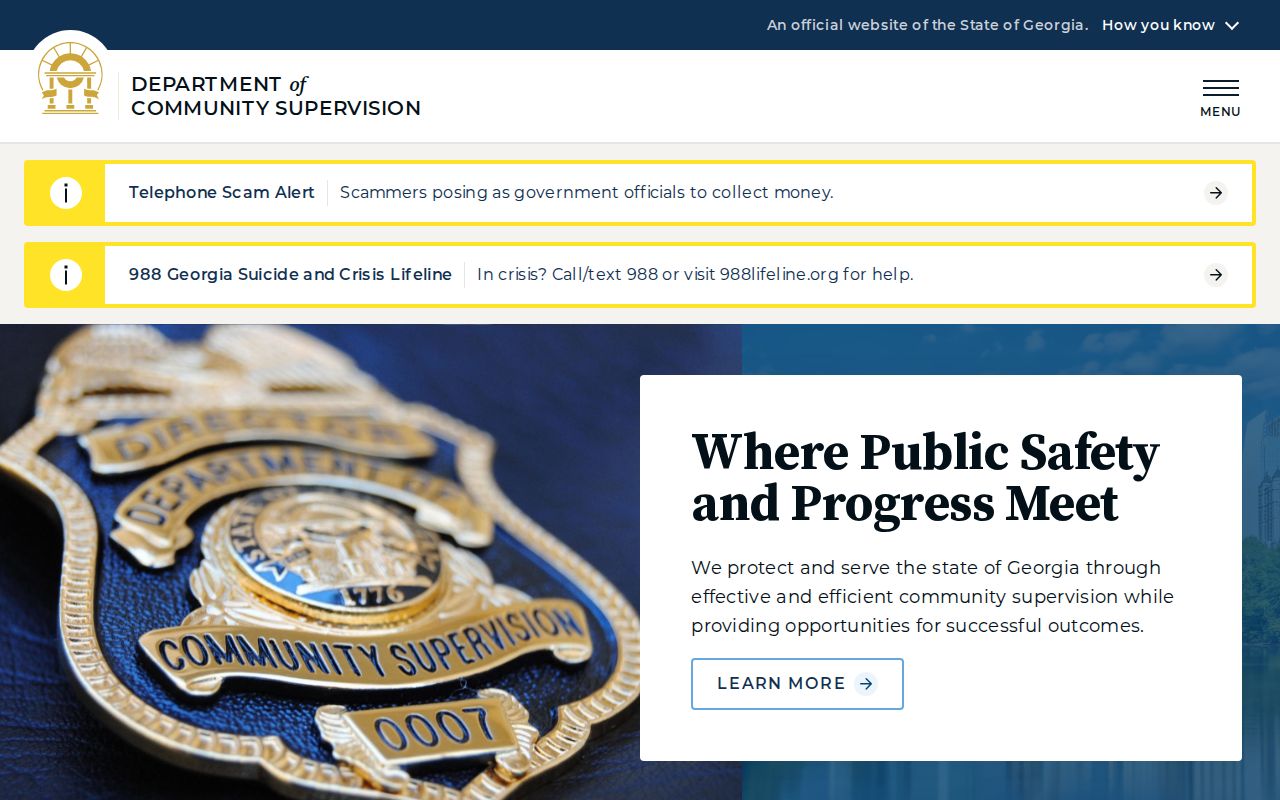
Georgia Department of Community Supervision manages felony probation and parole supervision. The State Board of Pardons and Paroles makes release decisions. A Dodge County judgment shows the sentence, while DCS addresses supervision and GDC may show custody.
The DCS site is the official starting point. The field office called “Eastman” is physically in McRae-Helena, so call before travel.
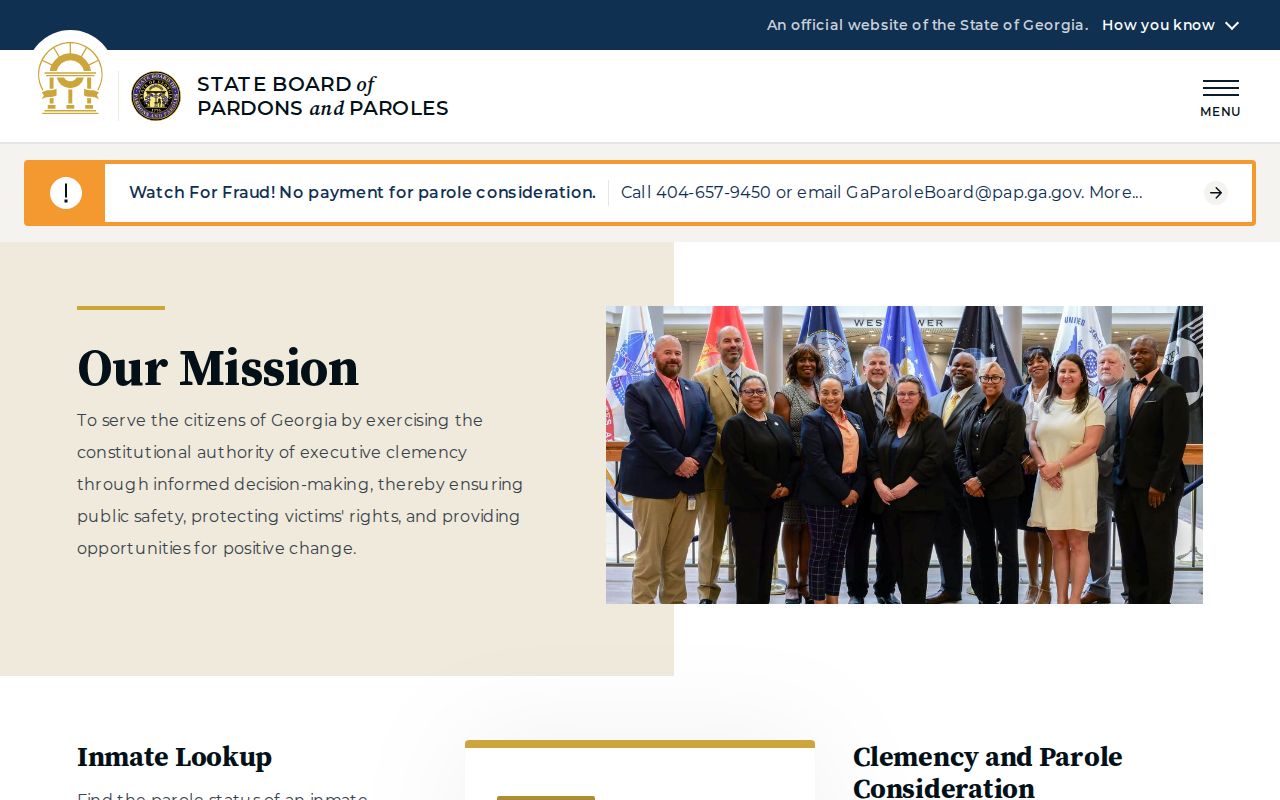
The parole board handles release decisions.
These offices hold distinct pieces of a Dodge County criminal history.
Dodge County Federal Records
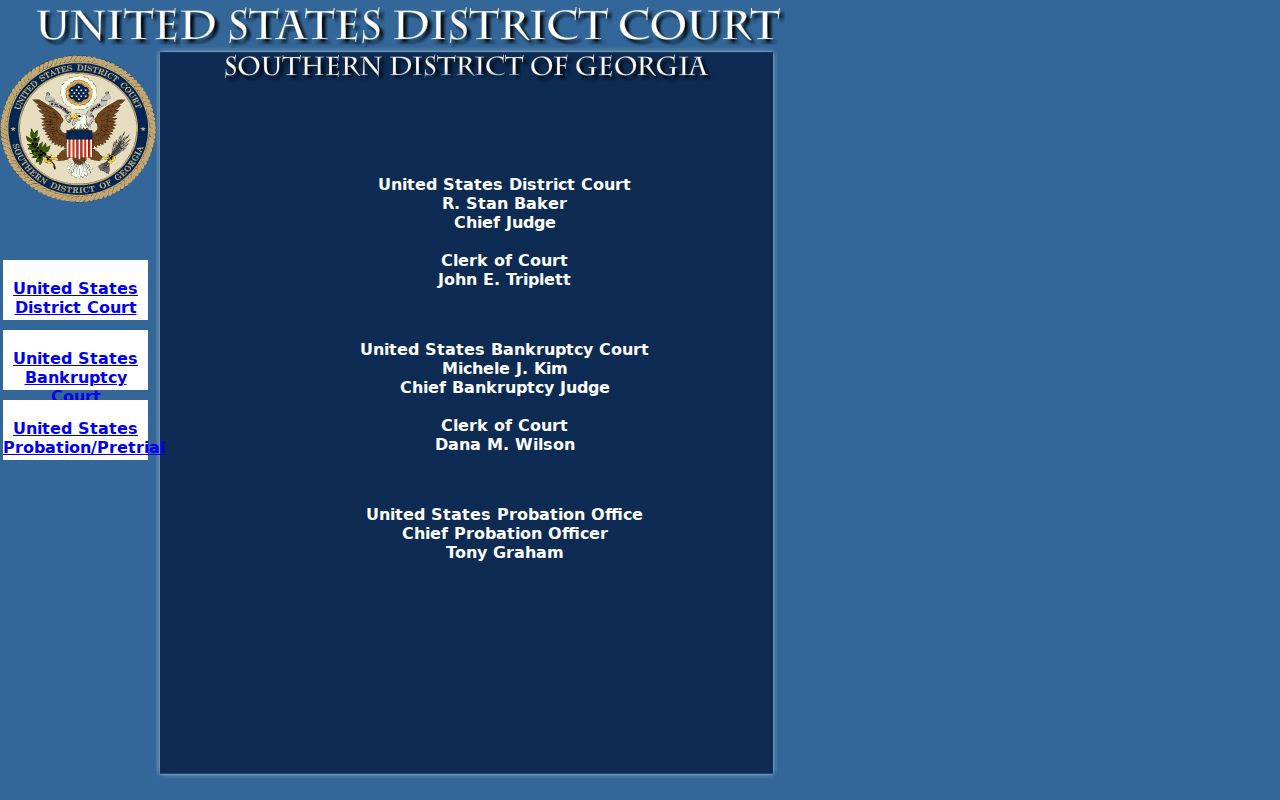
Dodge County is within the Southern District of Georgia. Federal dockets do not appear in the county system. Start with the U.S. District Court, then use PACER.
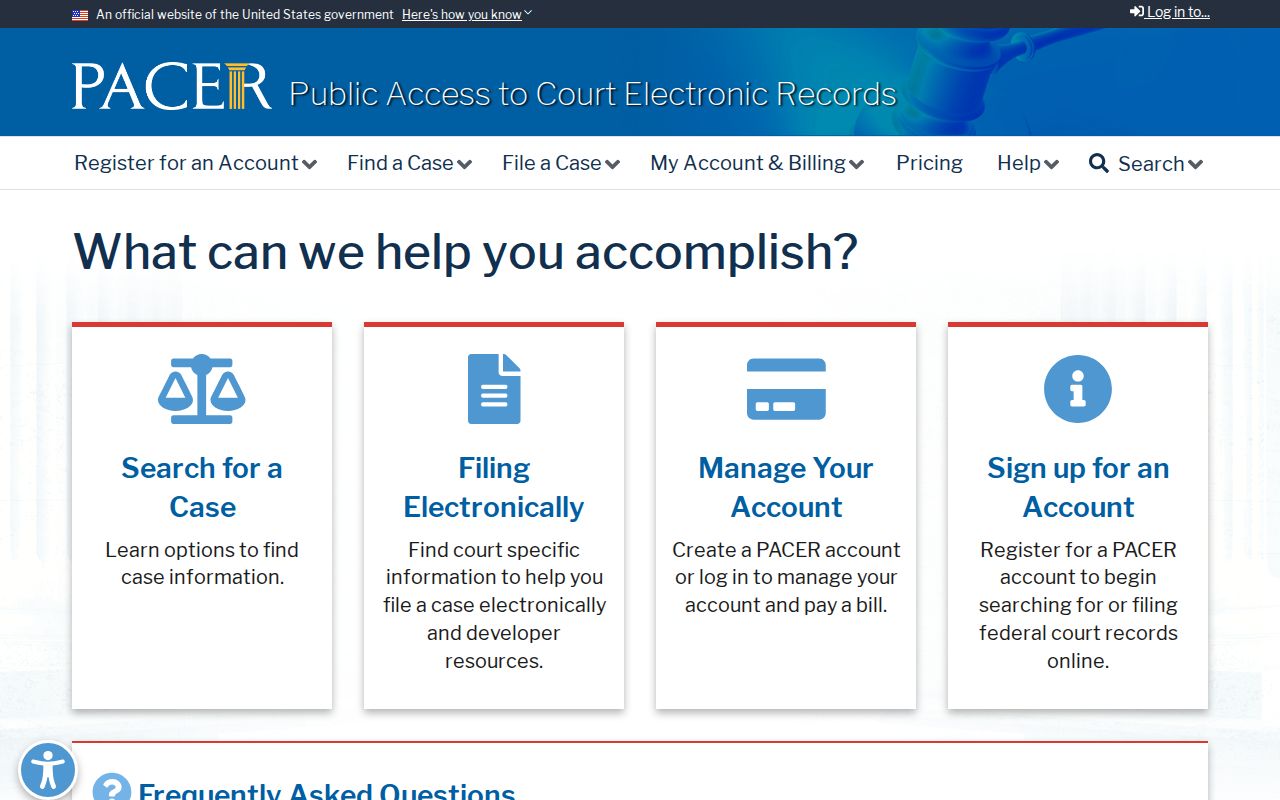
PACER requires registration and generally bills $0.10 per page, subject to current judiciary policy.
For federal custody, use the BOP Inmate Locator.
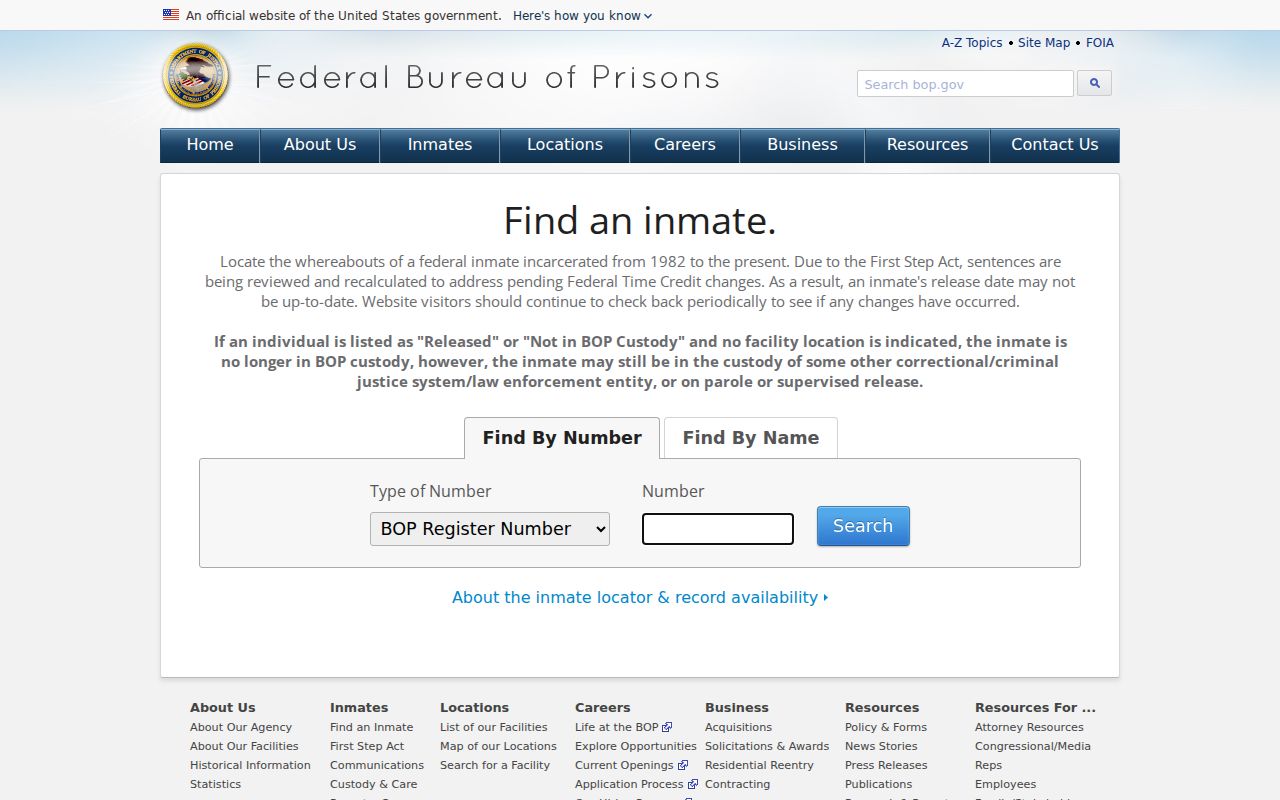
Each federal source answers a different question.
Dodge County Criminal Records by City
Eastman, Milan, and Rhine are the three largest incorporated places in the research ranking. Local origin matters because a police report stays with the arresting agency, while a Dodge booking goes to the jail and a felony case goes to Superior Court. Milan crosses the Dodge-Telfair line, so an address alone cannot identify the right county.
Eastman Record Check
5,658 in 2020 · County seat and main records hub.
Milan Record Check
613 in 2020 · A city spanning two counties.
Rhine Record Check
295 in 2020 · County fallbacks are essential.
Dodge Records Cross Two Eras
Dodge County was created in 1870, and the historic courthouse dates to 1908. Older criminal files may be paper or archived even when newer dockets can be reached online. Georgia Courts E-Access lists Dodge Superior and warns that its destination provider requires an account.
For an old case, call the Superior Court clerk with the party name, approximate year, and case number if known. Ask whether the file is online, archived, or available through staff retrieval, and whether a plain or certified copy fits the need. Confirm access before driving to Eastman because detailed counter hours and security rules were not found in current official sources.
Dodge County Warrant Checks
No official public Dodge County warrant portal or active-warrant list was verified. Use the source chain instead. Magistrate Court at 478-374-7243 can explain its warrant records and procedure. The sheriff at 478-559-1130 can address releasable law-enforcement information. A filed felony case or capias may appear with the Superior Court clerk, while a city ticket failure to appear can remain with the relevant municipal court.
An empty web search does not prove that no warrant exists. Unexecuted investigative warrants, sealed search warrants, juvenile matters, and security-sensitive details may be unavailable to the public. Ask for the issuing court, exact warrant or case number, status, and bond instructions. A person seeking to resolve their own warrant should verify the route with the issuing court or counsel and should not send money based only on an unsolicited call.
After a Dodge County matter is resolved, confirm that the court recalled or cleared the warrant. Law-enforcement systems may need time to receive the update, so retain the court paper and follow up with the office that entered the original record.